
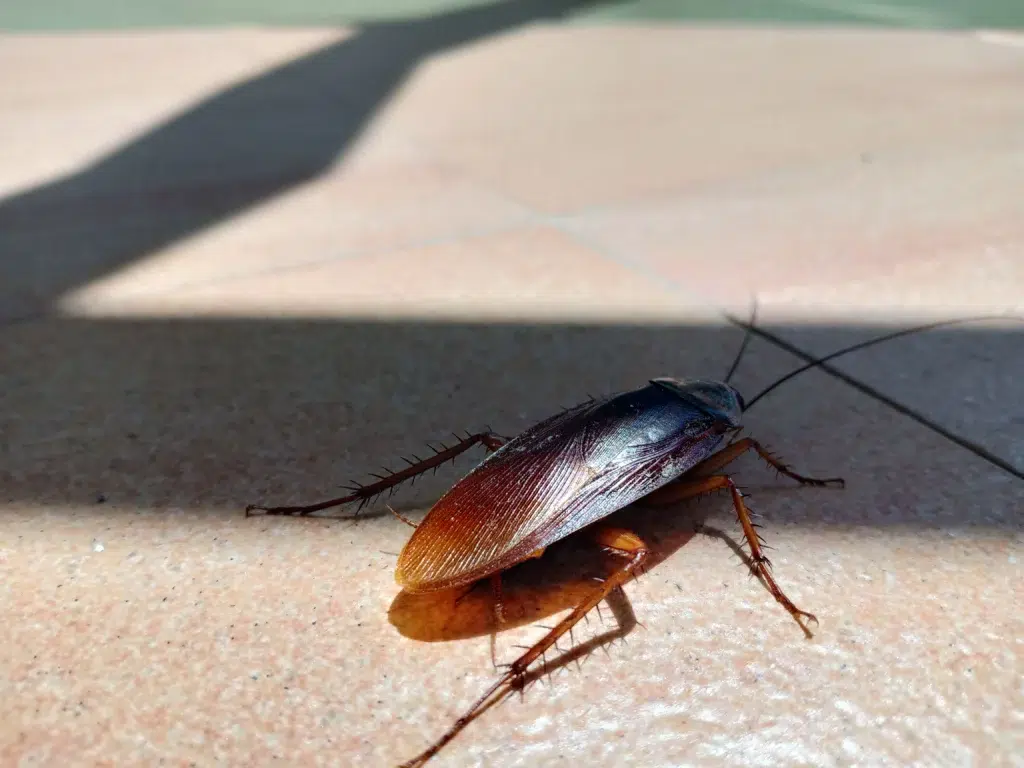
After a professional pest control treatment, cockroaches may return due to hidden nests, unhatched eggs, moisture, food sources, or nearby infestations. Cockroach pest control often requires multiple treatments, proper sanitation, and long-term prevention to completely eliminate recurring infestations and keep your home protected.
May 15, 2026
The Treatment Worked, But the Source Did Not Go Away
This is the most common reason cockroaches return. A professional cockroach treatment eliminates the active insects it reaches. What it cannot always address is the external or structural source that keeps introducing new cockroaches into the property.
In apartment buildings, shared plumbing, wall cavities, and pipe penetrations act as constant pathways between units. If a neighbouring apartment has an untreated infestation, cockroaches will continue moving into your property through those shared routes, regardless of how thorough your own treatment was.
In houses, cockroaches entering through subfloor vents, drainage gaps, or structural cracks can recolonise a treated space once the residual product breaks down. Without sealing those entry points, the property remains open to re-entry indefinitely. Treatment addresses the infestation. It does not automatically eliminate the conditions allowing the infestation to return. That requires a more complete approach.
Egg Cases That Survived the Initial Treatment
This catches a lot of homeowners off guard. Cockroach egg cases, known as oothecae, are remarkably resilient. A German cockroach female carries her egg case externally, protruding from the abdomen, until shortly before it hatches, so it travels with her into harbourage and away from treated surfaces. That is why the eggs commonly survive a surface spray that kills the adults.
When a female deposits an egg case in a sheltered location inside a wall cavity, behind an appliance, or deep inside a cupboard, that case can survive a treatment entirely. Each German cockroach egg case contains anywhere from 30 to 40 eggs. When those eggs hatch, usually within a few weeks, a new generation of cockroaches emerges in a property that appears to have been successfully treated.
This is one of the key reasons why a follow-up cockroach pest control treatment is often necessary. The first treatment eliminates the active population. The follow-up targets the newly hatched generation before it reaches reproductive maturity and starts the cycle again. A one-visit approach to a significant cockroach infestation rarely produces permanent results for this reason alone.
Still dealing with cockroaches after a previous treatment?
Pest Power Sydney offers same-day pest control across Sydney. Our licensed pest exterminators will identify exactly why the problem keeps returning and treat it properly. Call now.
Harbourage Areas That Were Not Fully Treated
Cockroaches do not live in the open. They nest deep inside structures in locations that are difficult to access and easy to miss. Common harbourage zones that are frequently undertreated include:
- The inside of wall cavities behind kitchen and bathroom tiling, where warmth and moisture create ideal nesting conditions.
- The motor housing of refrigerators and dishwashers, which generates heat that cockroaches actively seek out.
- Subfloor spaces in older homes, where cockroaches can establish themselves away from internal treatment areas.
- Behind and beneath built-in cabinetry, where gaps between the cabinet frame and wall create protected spaces.
- Roof voids in houses, where cockroaches can live undisturbed and move freely throughout the building.
A cockroach exterminator who only treats visible surface areas is not addressing where the population actually lives. Gel bait placed precisely at these harbourage points is significantly more effective than surface spray alone for reaching the colony at its source.
Still dealing with cockroaches after a previous treatment? Pest Power Sydney offers same-day cockroach pest control across Sydney. Our licensed pest exterminators will identify exactly why the problem keeps returning and treat it properly.
.
Sanitation Issues Giving Cockroaches a Reason to Stay
Treatment removes cockroaches. It does not remove what attracted them in the first place. If food sources, moisture, and harbourage conditions remain unchanged after a treatment, cockroaches that survive or re-enter the property have everything they need to re-establish quickly.
Common sanitation factors that undermine cockroach pest control results include:
- Food debris and grease build-up behind and beneath appliances, which provides a consistent food source for surviving cockroaches.
- Plumbing leaks under sinks, which create moisture zones that cockroaches return to repeatedly.
- Cardboard boxes and clutter stored in kitchen or laundry areas, which provide harbouring material and are rarely treated during standard pest control visits.
- Pet food left out overnight, which gives cockroaches an accessible food source that sustains activity between treatment visits.
A professional cockroach treatment works most effectively when these conditions are addressed alongside it. Pest control and sanitation work together. Neither produces lasting results without the other.
Why German Cockroaches Are Particularly Difficult to Eliminate Permanently
Not all cockroach species are equally challenging to control. German cockroaches are in a category of their own. They breed faster than any other common cockroach species found in Sydney homes and apartments. They develop resistance to insecticide products over time, which means the same spray product that worked on a previous infestation may have a significantly reduced effect on a new one.
They also live entirely indoors, which means there is no seasonal reduction in their population and no natural environmental pressure that reduces their numbers. Without ongoing pest management, a surviving population simply rebuilds.
For German cockroach infestations specifically, integrated pest management is the only approach that produces genuinely long-term results. This means combining gel baiting with growth regulators, addressing harbourage zones, sealing entry points, and scheduling follow-up treatments at the right intervals. A single visit with a surface spray is rarely sufficient for a German cockroach problem in a Sydney home or apartment.
What Actually Stops Cockroaches From Coming Back
Lasting cockroach control means treating the problem as an ongoing management issue rather than a single event.
A proper long-term approach should include:
- Initial treatment that targets active cockroaches using gel bait at harbourage sites and residual spray at entry points and travel routes.
- Follow-up treatment scheduled four to six weeks later to target newly hatched cockroaches before they reach reproductive maturity.
- Entry point management, including identifying and sealing gaps around plumbing, drainage, and structural penetrations that allow re-entry.
- Building-wide coordination in apartment settings where neighbouring unit infestations are the source of ongoing re-entry.
Pest Power Sydney’s licensed and insured pest exterminators have years of experience delivering long-term cockroach control across Sydney homes and apartments. We do not just treat what is visible. We identify the source, address the harbourage zones, and structure a treatment plan that stops the cycle rather than just interrupting it temporarily.
If cockroaches keep returning after previous treatments, the approach needs to change. Get in touch with Pest Power Sydney today and book a same-day inspection. Let us find out exactly why they keep coming back and fix it properly.
Having it dealt with properly
If cockroaches keep returning, the treatment is not failing so much as stopping too early. The follow-up visit is what deals with the generation that hatches afterwards.
On a cockroach job the inspection goes to the harbourage rather than the open floor: motor housings, hinge voids, the cavity behind the kickboard, under the sink and the back of the dishwasher. Gel bait goes into those voids with an insect growth regulator, and a follow-up four to six weeks later catches the generation that hatches after the first visit. Cockroach treatments start from $89 for a standard unit or small home, every job is quoted in writing, and the work carries a six-month warranty. Pest Power Sydney provides cockroach pest control in Sydney, and the work is carried out by the owner-operator, Mac Naji, and his technicians, who are the people customers name in the reviews. Call 0412 931 208 for a quote or a same-day inspection.
If you are working through this, it is worth also reading how to identify cockroach egg sacs, why German cockroaches are the hardest to eliminate and how long German cockroach spray keeps working.
Pest Power Sydney holds a 5.0 rating from more than 320 Google reviews. The themes Google pulls out of those reviews most often are a knowledgeable technician, a thorough inspection and the six-month warranty.
Frequently Asked Questions About Recurring Cockroach Infestations
Why do cockroaches come back a few weeks after treatment?
The most common reasons are egg cases hatching after the initial treatment, untreated harbourage zones inside walls and appliances, or re-entry from a neighbouring property through shared plumbing or wall cavities. A follow-up treatment and entry point inspection address all three issues.
How many treatments does it take to clear a cockroach infestation?
For a moderate infestation, two treatments spaced four to six weeks apart are typically the minimum for reliable results. Severe infestations or apartment buildings with multiple affected units may require additional visits and a coordinated building-wide approach to achieve lasting control.
Does professional cockroach pest control kill eggs as well as adult cockroaches?
Most surface treatments do not penetrate egg cases directly. Gel baiting is more effective at reaching the colony where egg cases are deposited, but a follow-up treatment targeting newly hatched cockroaches is the most reliable way to address the egg cycle. This is why follow-up visits are a standard part of professional cockroach exterminator services.
Can cockroaches develop resistance to pest control products?
Yes. German cockroaches in particular can develop resistance to commonly used insecticide products over time. A licensed cockroach exterminator will rotate active ingredients and use a combination of product types to prevent resistance from undermining treatment effectiveness.
Should I be doing anything differently between treatment visits?
Yes. Fix any plumbing leaks, clean behind and under appliances, remove cardboard boxes from kitchen and laundry areas, and store food in sealed containers. These steps remove the conditions that support cockroach survival between treatments and make each visit significantly more effective.
How do I book a follow-up cockroach treatment with Pest Power Sydney?
Call us directly on 0412 931 208 or reach out through our website. We service Sydney and surrounding suburbs and offer same-day cockroach pest control when available. If cockroaches have returned after a previous treatment, let us know when you call, and we will adjust the inspection and treatment approach to address the specific reason they keep coming back.
Trusted Pest Exterminators – Contact Us Now
Back again a few weeks after treatment? Egg cases hatch after the first application, which is why the follow-up visit matters. Pest Power Sydney provides follow-up cockroach pest control.