
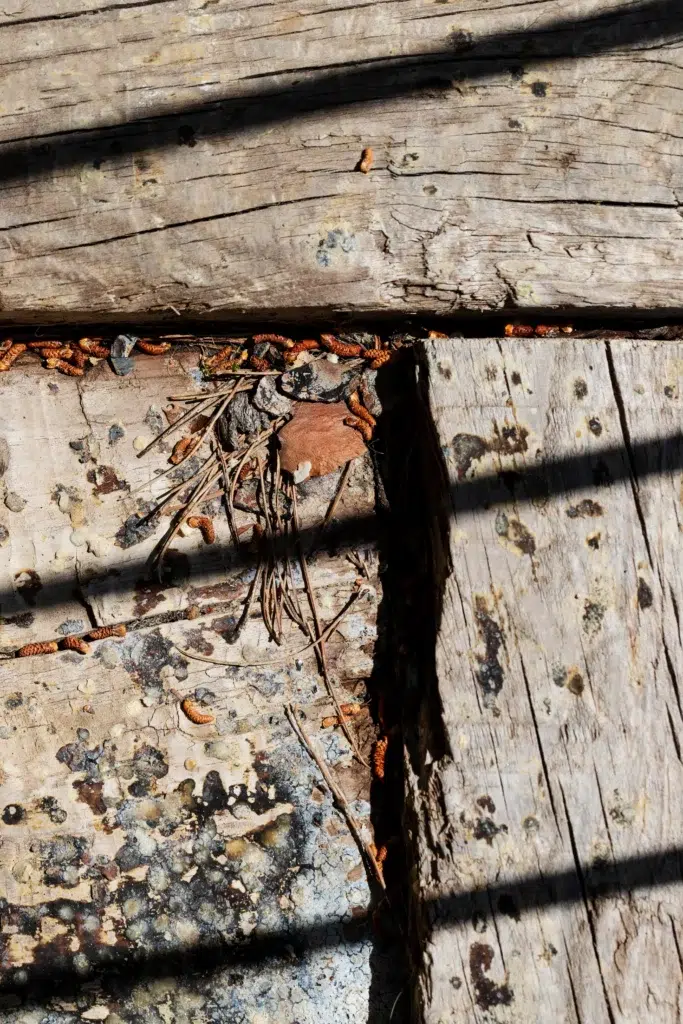
Timber damage in homes can be confusing. Termite damage and wood rot may appear similar, but their causes, progression, and treatments are very different. Misidentifying the problem can delay proper intervention, leading to more serious damage.
Understanding the difference is essential for protecting your property. This guide explains how termites and wood rot affect homes in Sydney and highlights the importance of professional pest control services such as termite treatment and pest control services from experts like Pest Power Sydney.
Understanding Termite Damage in Sydney Homes
Termites feed on the cellulose in timber, often tunnelling deep inside without obvious external signs. Subterranean termites, which are common in Sydney, build protective mud tubes to travel between their colony and timber. These hidden tunnels allow them to feed continuously and cause significant internal damage.
Timber in contact with soil or moisture is especially vulnerable, including floorboards, joists, and wall studs. Early signs include hollow-sounding or blistered timber and mud tubes along foundations. Pellet-like droppings are a drywood termite sign and are not typically produced by the subterranean species found in Sydney, which incorporate their droppings into mud and carton workings. Professional termite control in Sydney ensures early detection and prevents costly repairs.
Understanding Wood Rot and Its Causes
Wood rot, unlike termite damage, is caused by fungi rather than insects. Fungal decay requires moisture, oxygen, and wood to develop. Over time, affected timber becomes soft, brittle, and discoloured.
Wet rot occurs when timber is consistently exposed to water, while dry rot can develop even after moisture exposure has ended. Rot often begins at the surface and spreads inward, sometimes accompanied by a musty smell. Unlike termites, wood rot does not leave tunnels or frass.
Key Differences Between Termites vs Wood Rot
Termite damage usually starts internally and may remain unnoticed until the timber is hollowed out. The wood often splits in layers, and frass or mud tubes are visible. Wood rot, on the other hand, weakens timber from the surface, turning it spongy or crumbly, often with discolouration and a mouldy smell.
Termites can accelerate timber damage in Sydney’s warm, moist conditions, while wood rot develops more slowly and depends directly on moisture exposure. It’s also possible for termites to infest timber already affected by rot, creating a combined problem that requires professional attention.
Why Accurate Identification is Important
Confusing termite damage with wood rot can lead to ineffective treatment. Treating rot as termite damage may waste chemical treatment without addressing moisture issues. Conversely, treating termite damage as rot allows active colonies to continue feeding, causing further structural damage. Professional termite treatment and pest exterminator services like those offered by Pest Power Sydney provide accurate diagnosis and ensure the most effective solution. Early intervention protects timber, prevents infestations, and reduces repair costs.
How to Recognise Damage in Your Home
Homeowners can perform simple checks before calling a professional. Hollow sounds when tapping timber or the presence of mud tubes and frass usually indicate termite activity. Soft, springy, or crumbly timber, often with mould or a musty smell, points to wood rot. Even with these checks, it is strongly recommended to contact a pest control service or pest exterminator for a full inspection, particularly in structural areas of the home.
Conclusion
Timber damage caused by termites or wood rot requires early and accurate identification. Professional termite control, termite treatment, and pest control services ensure structural integrity, prevent infestations, and save homeowners from costly repairs. Engaging a trusted pest exterminator like Pest Power Sydney provides inspection, prevention, and treatment solutions that keep your home safe and structurally sound. Early intervention is key to protecting your property and maintaining peace of mind.
Having it dealt with properly
Getting the identification wrong in either direction is expensive: treating rot as termites wastes money, and treating termites as rot lets the colony keep working.
A termite inspection covers the subfloor, the roof void, the slab edge, the perimeter and the wet areas, with a moisture meter used on any timber that reads suspect. Termite work is quoted in writing after that inspection: general pest treatments start from $89, but termite work sits well above that and we will not pretend otherwise. Whatever system is installed, AS 3660 requires an inspection at least every 12 months. Pest Power Sydney provides termite treatment in Sydney, and the work is carried out by the owner-operator, Mac Naji, and his technicians, who are the people customers name in the reviews. Call 0412 931 208 for a quote or a same-day inspection.
If you are working through this, it is worth also reading the early signs of termite activity, the early signs of termite infestation and why the annual termite inspection matters.
Pest Power Sydney holds a 5.0 rating from more than 320 Google reviews. The themes Google pulls out of those reviews most often are a knowledgeable technician, a thorough inspection and the six-month warranty.
Frequently asked questions
Can termite damage and wood rot look the same?
Although they may seem similar, termite damage leaves tunnels and frass, while wood rot causes soft, crumbly, discoloured wood with a musty smell
Does wood rot attract termites?
Yes. Timber weakened by moisture and rot is more susceptible to termite infestation, leading to combined problems
How can I tell termites are present?
Mud tubes along walls, discarded wings, and frass are strong indicators of termite activity rather than rot
Can termite damage be repaired?
Timely termite treatment in Sydney can prevent further damage. Severely damaged timber may require replacement or structural support.
Can wood rot be repaired without timber replacement?
Minor rot can be treated with wood fillers or hardeners, but extensive decay usually requires removing affected timber and addressing moisture sources.
Confirmed it is termites rather than rot? Rot needs a builder. Live termites need termite treatment for confirmed activity, and they need it before the next swarm.