
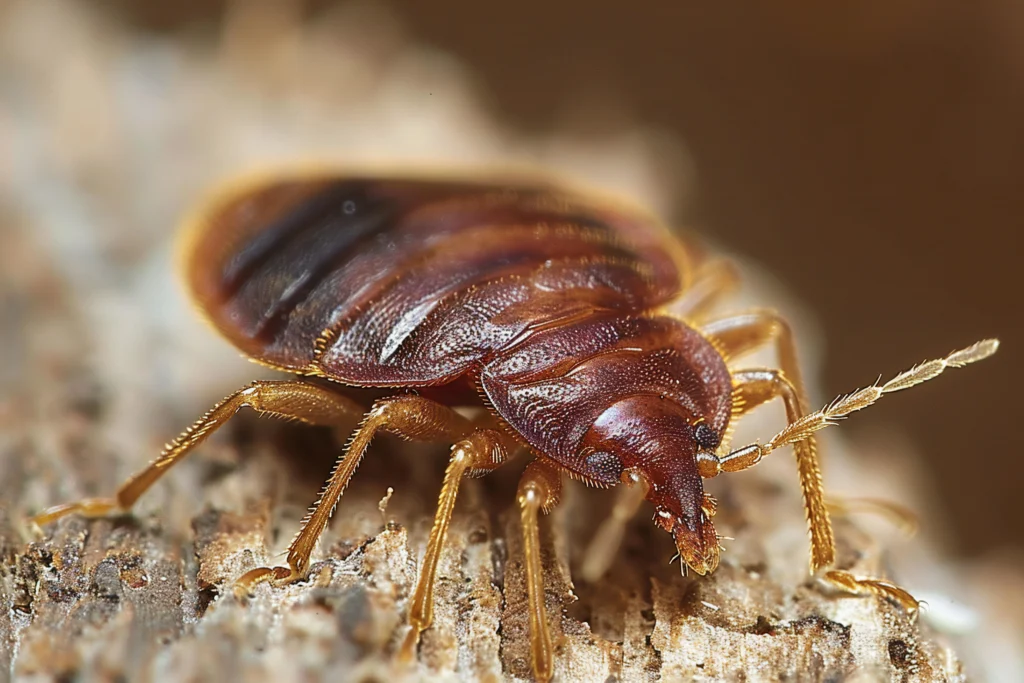
The treatment happened. A licensed technician came through, inspected the bedroom, and applied the product. The bites stopped. Three, maybe four weeks passed without any sign of them. Then one morning the marks were back, and the whole thing started again.
This is one of the most common calls Pest Power Sydney receives. Not first-time infestations, but second ones, or what appears to be a second one. In most cases, the infestation never fully resolved after the first treatment. Understanding why that happens is the starting point for fixing it properly.
Why Bed Bugs Can Return After Treatment
There’s a distinction worth making clearly: a treatment can significantly reduce the active bed bug population without eliminating the infestation. When bites stop for a few weeks, it’s easy to conclude the problem is resolved. What’s actually happened is that the visible, mobile adults have been knocked down, while eggs, nymphs, or a surviving colony in a deeper harborage point remain.
The bites stop because the active feeding population is gone. They return when the surviving portion of the infestation rebuilds. This is not the same situation as a new infestation entering from outside, and it requires a different response.
Can Bed Bug Eggs Survive Treatment?
This is the most documented reason bed bugs return after treatment in Sydney homes, and it comes down to basic biology.
A female bed bug lays between one and five eggs per day, depositing them in concealed locations: mattress seam folds, furniture joints, behind skirting boards, and inside small cracks in the bed frame. The eggs are roughly one millimetre long, sticky, and extremely difficult to locate during a visual inspection.
Most insecticide formulations, including pyrethroid-based sprays used in residential treatments, don’t penetrate egg casings effectively. The eggs survive the treatment. Depending on temperature, they hatch within six to ten days. The newly hatched nymphs are small, feed quickly, and begin the cycle again.
Without a correctly timed follow-up treatment that targets nymphs after hatching but before they reach reproductive age, the population rebuilds. This typically produces a return of bites three to five weeks after the original treatment, which matches what most people describe when they call to report bed bugs came back after pest control.
Where Bed Bugs Hide After Treatment
Bed bugs don’t restrict themselves to mattresses. In Sydney homes, particularly in older terrace houses in Surry Hills, Glebe, and Newtown, and in apartment blocks across the inner city, the pest establishes in locations that a surface-level treatment doesn’t reach.
Common harborage points include the internal cavities behind power outlets and switch plates, the underside of carpet near bed legs, inside drawer runners and bedside furniture joints, beneath loose skirting boards, and inside wall cavities accessible through small gaps around plumbing or cable entry points.
If any of these areas were missed during the initial treatment, a surviving population uses them to rebuild the infestation. This scenario tends to produce a faster return of bites than an egg-hatch reinfestation, often within two to three weeks, and the bites typically occur in the same pattern and location as before.
The tell is whether the harborage point itself was inspected and treated. If the technician focused primarily on the mattress and bed frame without mapping the surrounding furniture and room perimeter, surviving clusters in these secondary locations are a likely cause.
How Bed Bugs Can Re-enter a Treated Home
A successful treatment clears the infestation present at the time. It doesn’t prevent new bed bugs from entering the property afterward.
There are three common reintroduction pathways in Sydney households:
Luggage from accommodation. Bed bugs are well established in short-term rental accommodation and some hotels. Returning luggage stored near an infested bed frame can carry eggs or nymphs back into a treated home. Even a brief stay is enough.
Overnight visitors. A guest whose home has an active infestation can introduce bed bugs through their bag, clothing, or personal items. In most cases, neither party is aware this has happened.
Shared laundry facilities. In apartment blocks with communal laundry rooms, bed bugs can transfer through shared machines or through contact with infested items left on folding surfaces.
Reintroduction presents differently from a harborage or egg-hatch reinfestation. In most cases, bites start in a different location in the home than the original infestation, or a different person is affected first. The timing is also less predictable. If bites returned quickly after something specific, such as a trip or a visitor staying overnight, reintroduction is the more likely explanation and the response is different from re-treating a surviving colony.
Why DIY Sprays May Not Solve a Recurring Bed Bug Problem
When bites return after a professional treatment, the instinct is often to go back to the hardware store. Surface sprays, aerosol foggers, and powder products are widely available and feel like an immediate response.
The problem is that consumer products don’t reach the locations where bed bugs are surviving. Spraying a mattress or bed frame surface pushes bed bugs further into wall voids, furniture internals, and flooring gaps, where they’re harder to treat. It doesn’t reduce the population in any meaningful way.
There’s a second issue. Repeated exposure to sub-lethal insecticide concentrations is one of the factors contributing to pyrethroid resistance in Australian bed bug populations. The more a colony is exposed to products that don’t eliminate them, the more likely subsequent professional treatments are to encounter reduced susceptibility. Re-treating with consumer products delays professional intervention and can make the eventual re-treatment more difficult.
If bites returned after a professional treatment, a bed bug re-assessment is the practical next step, not another hardware store purchase.
What to Expect During a Bed Bug Reassessment in Sydney
A re-assessment is a different scope of work from the original inspection. Rather than treating what’s visible, the focus is on understanding why the infestation persisted.
A thorough re-assessment includes harborage mapping across the full room and any adjacent spaces, identification of population stage to determine whether this is a hatch-cycle issue or a surviving colony, inspection of shared walls in apartment settings, and an assessment of external reintroduction risk based on recent activity in the home.
The timing of any follow-up treatment is also set based on the population stage identified, rather than applied on a fixed schedule. This is what separates a re-treatment that resolves the problem from one that repeats the same result.
Pest Power Sydney is licensed and insured, with over ten years of experience across Sydney residential properties. If bed bugs returned after a previous treatment and you’re not sure where to go from here, call us on 0412 931 208 and we’ll arrange a bed bug re-assessment.
Frequently Asked Questions
How long after treatment can bed bugs come back?
The most common window is three to five weeks, which aligns with the egg hatch cycle. If bites return around this point, hatched nymphs from surviving eggs are the likely cause. A return within two weeks more often points to a surviving harborage colony that wasn’t fully treated.
Can bed bug eggs survive a professional chemical treatment?
Yes. Most insecticide formulations don’t penetrate egg casings, which is why a correctly timed follow-up treatment is part of any complete bed bug program. A single treatment that targets adults without accounting for egg hatch will often result in bites returning within a month.
Is it reinfestation or did the original treatment not work? How do I tell the difference?
If bites returned within a few weeks in the same room and same pattern, the infestation most likely wasn’t fully resolved. If bites started somewhere new, or coincided with a trip or a visitor staying overnight, reintroduction is more likely. A professional re-assessment can usually determine which scenario applies based on harborage location and population stage.
Will bed bugs spread to other rooms while I wait for a re-treatment?
Bed bugs generally stay close to a reliable host. They don’t relocate unless disturbed, such as by spraying or heat changes. If the infestation is in one bedroom and hasn’t been disturbed, it’s likely to remain contained there in the short term. Contact a technician promptly rather than attempting further self-treatment, which is more likely to cause dispersal.
How many treatments does it usually take to clear a bed bug infestation in a Sydney home?
Most infestations require at least two treatments: an initial application and a follow-up timed to the egg hatch cycle. Properties with complex harborage, such as older terrace homes or apartments with shared walls, sometimes need additional work. The number depends on the scope of the infestation and whether any reintroduction pathways are present.