
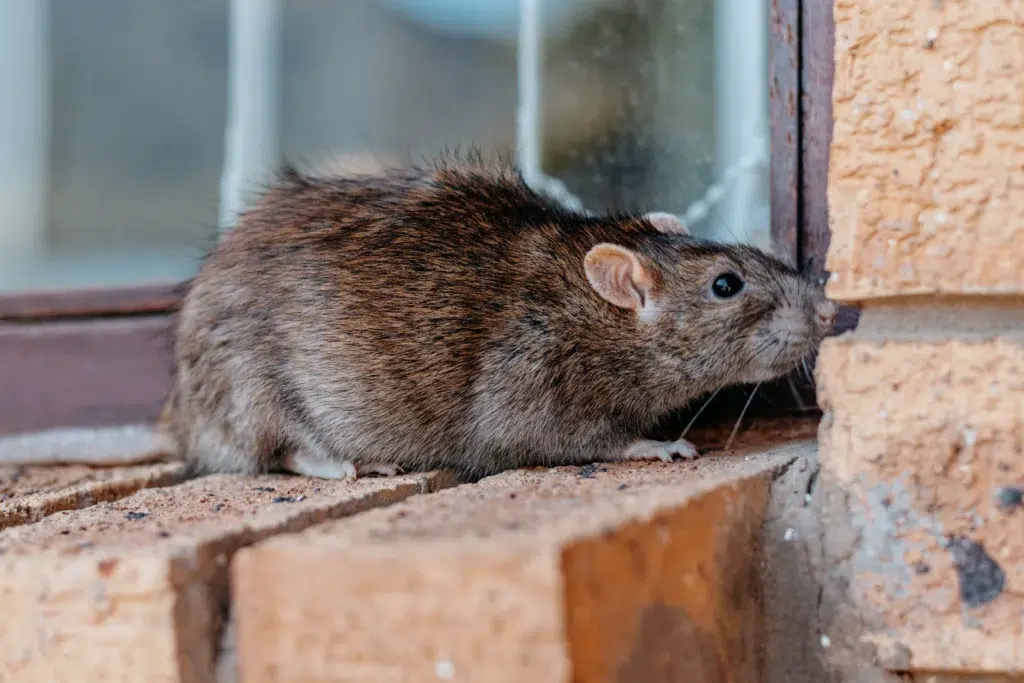
Many Sydney homeowners go through the same cycle. They hear scratching in the ceiling, deal with the problem themselves or call someone out, and enjoy a few quiet weeks before the noise returns. Many have already tried to proof the property. They bought galvanised mesh from the hardware store, sealed the gaps around the eaves and blocked the obvious spots near downpipes.
A few months later, the rats are back.
The problem is often location, not effort. Some of the entry points that matter are hard to see from the ground, and others only become clear from inside the roof void. Until those gaps are found and sealed with suitable materials, rats can keep finding a way back in.
Why Visible Entry Points Are Rarely the Whole Problem
DIY rat proofing usually starts outside. A ladder goes up, the eaves get checked, gaps around visible pipes are blocked with mesh or sealant, and the job looks finished from the ground.
That work isn’t wasted, because it can close some access points. However, roof rats (Rattus rattus) are agile climbers that can use openings that are easy to miss from outside. These are some of the places that often go unnoticed.
- Fascia and rafter gaps. Spaces where the rafter ends meet the fascia can run along the roofline and can be difficult to see from outside.
- Cracked or lifted roof tiles. Damage on the upper pitch is rarely visible from the ground. Walking on a roof is dangerous and can crack more tiles, so this check is best left to someone with the right safety equipment.
- Plumbing penetrations. Pipes may be sealed at ceiling level while the gap where they enter the roof void stays open.
- Weep holes in brick veneer walls. These small openings can let mice and young rats in. Weep holes should never be filled or blocked, because they let moisture escape and allow airflow. Purpose-made weep hole screens can help keep rodents out while keeping the opening clear.
- Air conditioning conduit entries. The gap around refrigerant lines may be left partly open or sealed with a material that breaks down over time.
These gaps are common in many Sydney homes, and any one of them can allow rats to return after a DIY proofing attempt.
Why the Wrong Material Undoes the Work
A frequent mistake in rat proofing is choosing a product that looks right but can’t stand up to gnawing. Standard silicone sealant bonds well and looks neat once applied, but rats can chew through it. Plastic mesh and consumer-grade foam filler have the same weakness.
Rodent-resistant proofing matches the material to the gap. Stainless steel wool held in place with sealant is much harder for rats to chew through. Rigid galvanised steel mesh suits larger openings, and metal flashing can help close long gaps along a roofline.
Finding the entry point is only half the job. A gap sealed with the wrong product is a temporary fix, while the same gap sealed with suitable metal materials is a longer-lasting repair.
What a Roof Void Inspection Reveals
Rats leave a trail inside the roof void. Grease marks appear along rafters where their fur rubs against the timber, droppings gather near active areas, insulation is chewed around cable entries, and nesting material builds up close to the places they shelter.
Those signs help show which gaps rats are actually using. An outside inspection might identify several possible entry points, while the evidence inside the void can narrow them down to the active routes. That helps determine where materials are needed, what size the openings are and whether rats are still active.
Why Baiting Alone Doesn’t Close the Gap
Baiting can reduce the rats currently living in a roof void, and the noise at night may stop. What it doesn’t do is close the way in. If entry points stay open, other rats can move in later. The difference between rodent proofing and baiting is why lasting control usually needs both the current activity and the entry points to be dealt with.
How Professional Rat Proofing Works
The order of the work matters. Sealing active rats inside a roof can lead them to chew a new way out, or leave a dead rat somewhere you can’t reach.
- Inspect the property. The technician checks the roof void and exterior to find activity, travel routes and likely entry points.
- Reduce the active rats. Traps or tamper-resistant bait stations are used to suit the property, including any children or pets in the home.
- Confirm activity has stopped. Fresh droppings, noise and new grease marks help show whether rats are still present.
- Seal the entry points. Each gap is closed with a material suited to its size and location, while weep holes and ventilation stay clear.
- Check the result. A follow-up visit, where needed, confirms the proofing is holding and looks for any other gaps rats have started to use.
If rats have returned after earlier treatment, rodent control that includes a roof void inspection can help identify how they’re getting in.
Pest Power Sydney provides pest control in Sydney and is available 24 hours. Call 0412 931 208 to book an inspection.
Frequently Asked Questions
Can rats chew through silicone sealant?
Yes. Standard silicone isn’t rodent-proof. Stainless steel wool held in place with sealant, rigid galvanised mesh or metal flashing are more suitable, depending on the type and location of the gap.
How do I know if rats are still getting in after I’ve proofed the roof?
Fresh droppings, scratching at night and new grease marks on rafters or around ceiling access panels can all indicate ongoing activity. If these continue after proofing, an entry point may have been missed.
Does a technician need to enter the roof void?
Where access is safe, a roof void inspection gives a much clearer picture. An outside inspection can identify possible gaps, while the signs inside help show which ones rats are actually using.
Is rat proofing a one-time fix?
Proofing with suitable materials can last for years, but it isn’t always a one-off job. Older Sydney homes can develop new gaps as timber moves, tiles shift or renovations are carried out, so occasional checks are worthwhile.
What is the difference between rat proofing and rodent pest control?
Rodent pest control deals with the rats currently on the property, usually with traps or bait stations. Rat proofing closes the gaps they use to get in. The active rats should be controlled first, then the entry points sealed and the result checked.