
The tenant has handed back the keys, the benches are wiped and the floors are clean. Then the final inspection turns up droppings behind the fridge or a live cockroach under the kitchen sink.
For landlords and property managers, that moment raises practical questions. What does the evidence actually show? Who is likely to be responsible? What proof of treatment is reasonable to ask for before the bond is finalised? Getting these right protects the property, keeps the next tenancy on track and makes any bond discussion easier to resolve.
Where Cockroach Activity Shows Up at an Inspection
Cockroaches rarely sit in the open during the day, so a quick walk-through can miss them. Most activity shows up in warm, dark places close to food and water, such as these.
- Behind and underneath the fridge, stove and dishwasher
- Under kitchen and bathroom sinks, especially around pipe gaps
- Inside cupboard hinges, drawer runners and the back corners of cabinets
- Around the laundry, the hot water system and bin areas
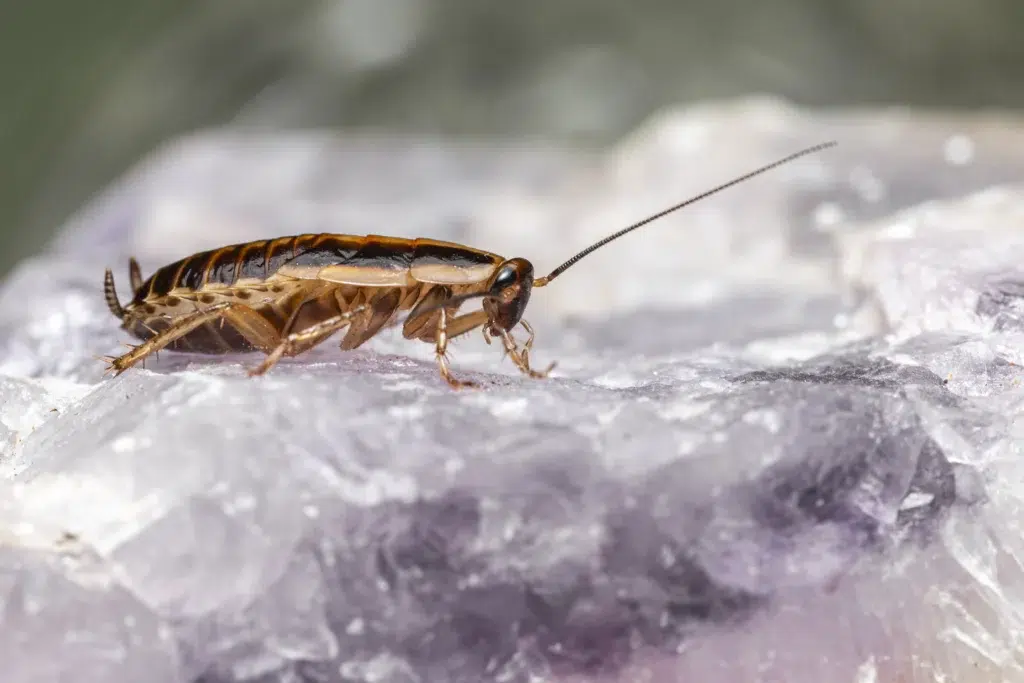
The signs to look for are small dark droppings that look like ground pepper, brown smear marks along edges and hinges, egg cases, shed skins and live cockroaches. Small, light-brown cockroaches around kitchen appliances are often German cockroaches, which usually point to a population living inside the property. A single large cockroach near a floor drain or back door may simply have come in from outside, which is a different situation.
Comparing What You Find With the Condition Report
What you find at the end of a tenancy only means something when it’s compared with the start. NSW Fair Trading explains that landlords are generally responsible for pest problems at the start of a tenancy, while tenants are generally responsible for pests that arise after they move in. It also notes that the property’s history, the condition report and factors outside the tenant’s control are all relevant (NSW Fair Trading).
That’s why the ingoing condition report and any routine inspection notes matter. Under NSW tenancy law, tenants are expected to leave the property as nearly as possible in the condition recorded at the start, apart from fair wear and tear. If the ingoing report records no pest activity and the final inspection finds an established infestation, that comparison carries weight. If there were cockroach problems at the start, or the building has ongoing issues such as leaking pipes or activity spreading from neighbouring units, the picture is less clear.
What Counts as Reasonable Evidence of Treatment
When a tenant says the property was treated, the most useful evidence is a written report from a licensed pest control business. A clear report includes the following details.
- The date of the service and the full property address
- The pests treated and the areas covered
- The products applied
- The technician’s licence details and the business’s ABN
A supermarket receipt, a photo of a spray can or a verbal account doesn’t show what was done, where it was applied or whether it reached the cockroaches’ hiding places. The date matters too. A report dated before the tenant vacated is far more useful than one arranged after a problem has already been raised.
Why a Last-Minute Spray Often Doesn’t Pass
Many tenants treat the kitchen with a surface spray a day or two before moving out. The property can look clear on handover day, but German cockroaches shelter inside appliances, wall gaps and cabinetry, where surface sprays rarely reach. Over the following days, the surviving cockroaches become active again, and the evidence is back by the time the property is inspected.
Professional treatment for an established German cockroach problem usually relies on gel baits placed where cockroaches hide, sometimes combined with an insect growth regulator that disrupts breeding. Cockroaches feed on the bait and return to their hiding places, where the active ingredient can spread through droppings and dead cockroaches.
Setting Clear Expectations Before the Tenant Moves Out
Most end-of-lease cockroach problems are easier to prevent than to dispute. When a tenant gives notice, these steps help.
- Check whether the lease includes a pest control term, and remind the tenant of it early
- Let the tenant know what records you’d like to see if cockroaches have been an issue
- Suggest treatment one to two weeks before the vacate date, so it has time to work before the final inspection
- Note any cockroach activity raised during routine inspections, so there’s a clear record
If you’re unsure whether a lease term applies, NSW Fair Trading or your property manager can help clarify it before the tenancy ends. Sharing simple guidance about cockroaches in a rental before the inspection with tenants early in the notice period can also help avoid a dispute later.
If Cockroaches Are Found After the Tenant Has Left
Record what you find before anything is cleaned or treated. Take dated photos of the droppings, egg cases or live cockroaches, and note exactly where they were. Compare them with the ingoing condition report and any routine inspection notes.
Arrange an inspection and treatment by a licensed pest controller before the next tenant moves in, and keep the report with the property records. If the landlord and former tenant can’t agree on who should pay, NSW Fair Trading’s dispute resolution service or the NSW Civil and Administrative Tribunal can help resolve it.
Pest Power Sydney provides end of lease pest control for Sydney houses, units and strata properties, with written confirmation of the treatment for your records.
To book an inspection between tenancies, call Pest Power Sydney on 0412 931 208.
Frequently Asked Questions
Who pays for cockroach treatment at the end of a lease?
It depends on when and how the problem started. NSW Fair Trading says landlords are generally responsible for pests at the start of a tenancy, and tenants for pests that arise after they move in. The condition reports, the lease terms and the property’s history all help decide responsibility.
What should a pest control report include?
A useful report shows the service date, the property address, the pests treated, the areas covered, the products used, and the technician’s licence details and business ABN.
Can a landlord require professional pest control when the tenant moves out?
That depends on the lease. If the agreement includes a valid pest control term, the tenant should follow it. If you’re unsure whether a term applies, check with NSW Fair Trading before the tenancy ends.
How long before the final inspection should cockroach treatment happen?
As a general guide, one to two weeks before the vacate date gives a professional treatment time to work, particularly for German cockroaches. A treatment the day before moving out leaves very little time.
What if the cockroaches are coming from a neighbouring unit?
In strata buildings, cockroaches can move between units through shared walls, pipes and bin rooms. Treating one unit may not solve the problem. A building-wide approach arranged through the strata manager is often needed, and it may affect who is responsible.